
Most traditional tank water heaters last approximately 8 to 12 years, while tankless water heaters can often last 15 to 20 years or longer with proper installation and maintenance. The actual lifespan of a water heater depends on its design, water quality, household demand, installation conditions, and maintenance history.
Age alone does not necessarily mean a water heater must be replaced. A well-maintained unit may continue working beyond its expected lifespan, while corrosion, sediment buildup, heavy use, hard water, or poor installation can cause another unit to fail earlier.
Homeowners should consider both the age and condition of their water heater. Leaks around the tank, rusty hot water, recurring repairs, unusual noises, declining hot-water capacity, and rising utility costs may indicate that the system is approaching the end of its useful service life.
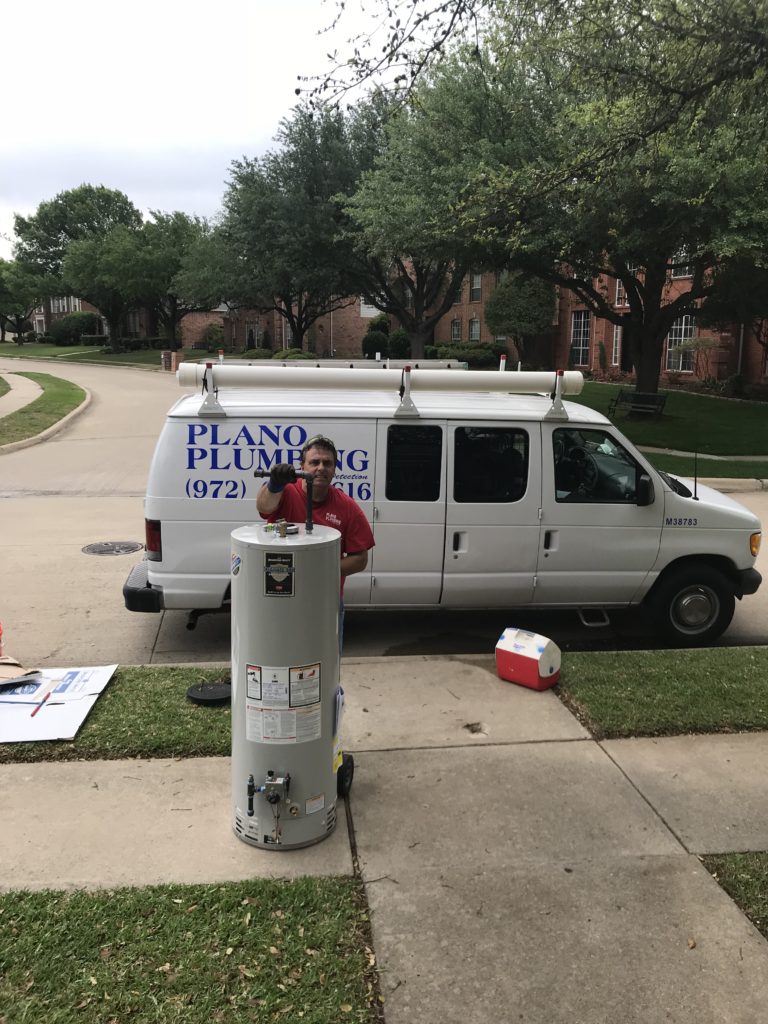
Generally speaking, an average water heater can last up to 13 years. After 13 years, water heaters will typically lose efficiency and experience damage, such as corrosion and sediment buildup.
So take note of your water heater’s age. As water heaters get older, it’s important to inspect them with increasing frequency and vigilance and also hire a professional for water heater repair when needed.
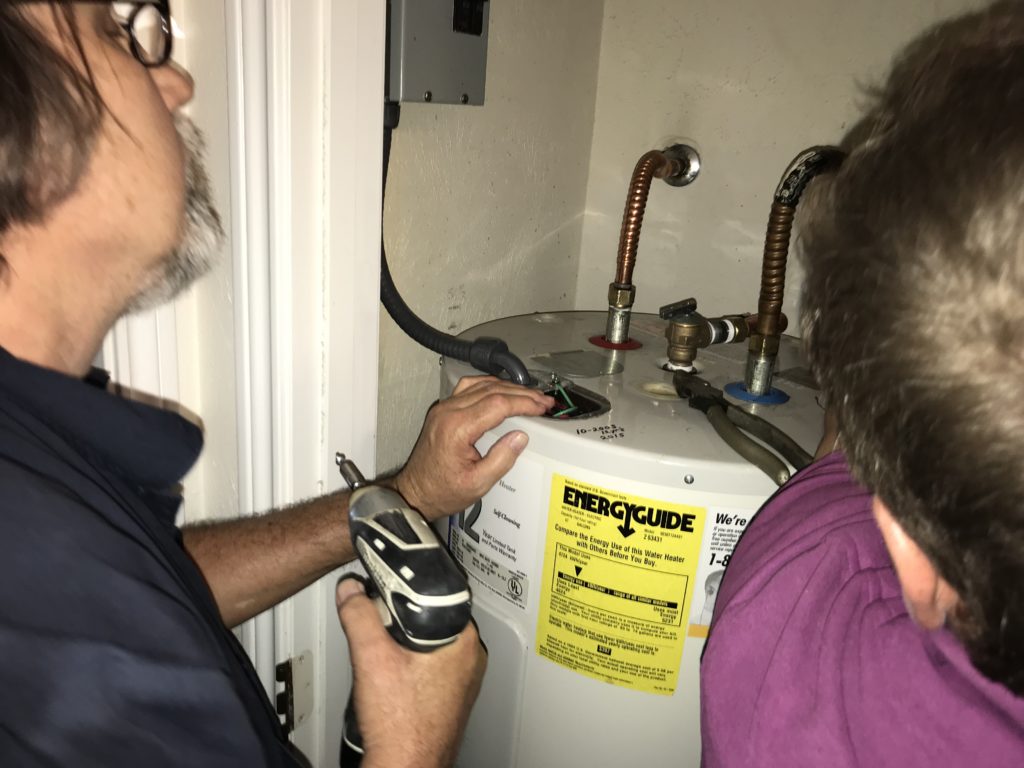
If a water heater is getting old, it won’t function as effectively and might have trouble heating enough water for a household. An old water heater will generally consume more electricity or gas than it should to get the job done. This will cause an increase in utility bills until a new water heater replacement is arranged for.
Factors That Impact The Lifespan of A Water Heater
Of course, various factors can affect a water heater’s lifespan, making it longer or shorter depending on the situation. Keep up on water heater repair and maintenance over time to maximize the lifespan of your water heater.
Try to mitigate usage so that you are not putting too much stress on their water heater through the years. The following are some important things to keep in mind to maintain your water heater in such a way that it lasts as long as possible:
- A water heater should occasionally be drained.
- A water heater should be inspected for issues like corrosion and sediment buildup.
- A water heater may need to have its thermostat or other important components replaced over time. If water heater repairs are not performed as necessary, the entire unit could malfunction prematurely and require replacement.
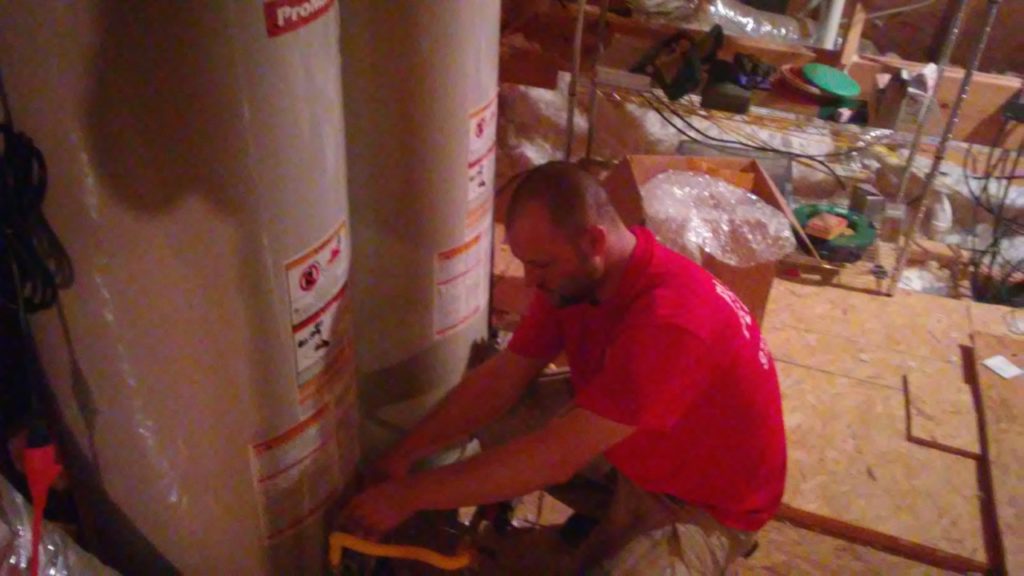
Signs That It’s Time To Replace A Water Heater
Be on the lookout for signs that indicate that a water heater is starting to fail. While water heater repair might be adequate to correct some of water heater problems, more severe problems require complete replacement.
It’s important to consider water heater age when deciding what should be done if a water heater is experiencing any of the following symptoms:
1. The water heater is not heating water anymore
If a water heater isn’t producing as much hot water as it used to, the problem will likely worsen until the unit produces no hot water at all.
Issues that can lead to a reduced output of heated waters include a corroded dip tube, malfunctioning electrical components, and overloads to the gas valve.
All of these issues generally require costly and complicated hot water heater repairs even if they don’t require complete replacement.
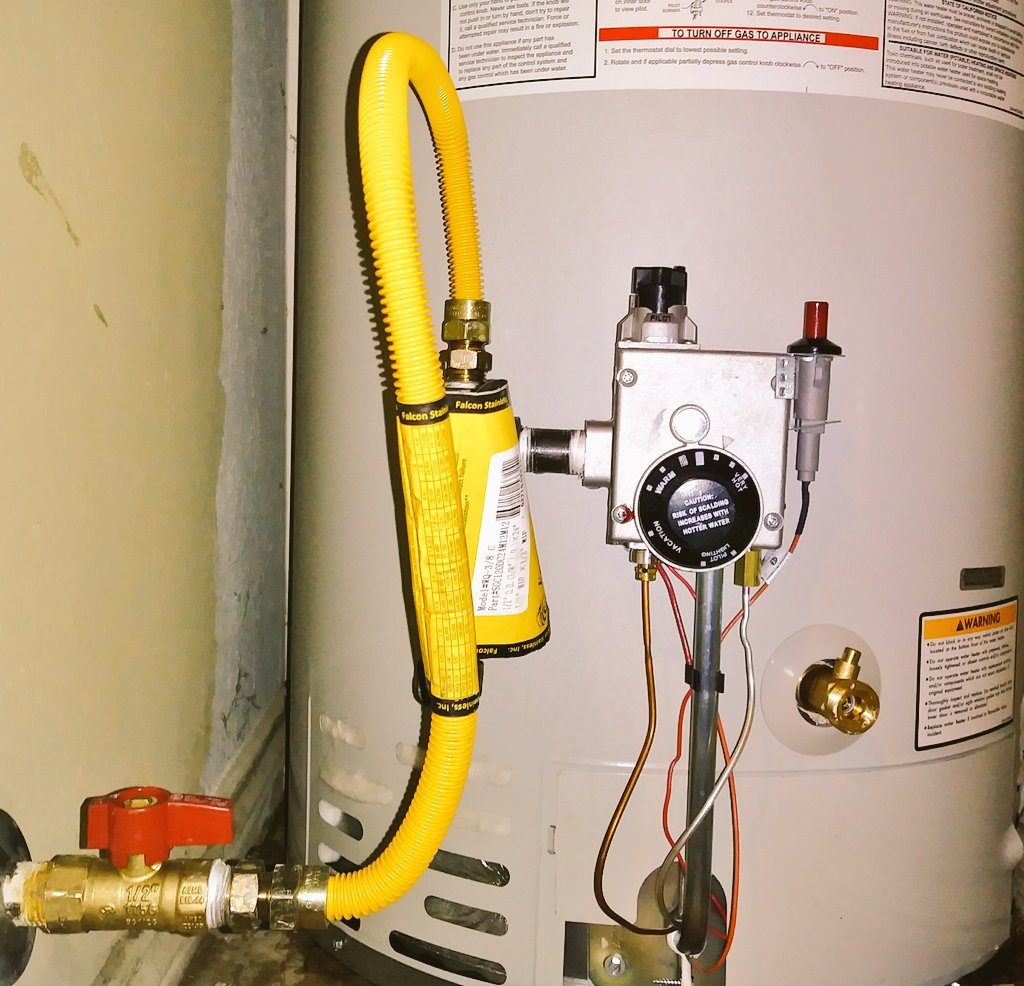
2. The water heater is leaking
Leaks in water heaters most often develop at the joints, around rusted threads, and at the seam at the sidewall. Leaks are complicated issues that usually require replacement.
3. The pilot light on a gas unit won’t stay on
A pilot light might repeatedly go off, preventing the unit from heating water. Usually, a pilot light problem results from a thermocouple malfunction. Another possible reason the pilot light could repeatedly go out is that the gas valve needs to be replaced, a costly repair.
These are just a few of the most common malfunctions that may indicate it’s time to call a water heater technician and arrange a new installation.
Work With Plano Plumbing To Have Your New Water Heater Installed
With more than 20 years of experience providing plumbing services in Plano, Texas, Plano Plumbers are here to help you with your water heater needs. Plano Plumbing offers services not only in Plano, but throughout Collin, Denton, and North Dallas counties.
Contact us with any questions or concerns about your water heater. By calling in, you can explain the issue you’re having.
Then we can provide you with our expert advice and a free estimate. We’ll get out to your property soon to take a look at your water heater and provide the best possible solution.
Can a Water Heater Last 20 Years?
A water heater can last 20 years, but that is more common with a tankless system than with a traditional storage-tank unit. Conventional tank water heaters generally last 8 to 12 years, while properly maintained tankless water heaters may last 15 to 20 years or longer.
Actual service life depends on the type and quality of the unit, installation conditions, household water usage, water quality, and maintenance history. A tank-style heater that reaches 15 or 20 years without leaking may still be less efficient and more vulnerable to corrosion or sudden failure. Homeowners with an older unit should monitor its performance and consider having it inspected before deciding whether continued operation is practical.