A water heater may need replacing when it begins leaking from the tank, produces rusty hot water, makes persistent popping or rumbling noises, delivers insufficient hot water, increases energy costs, or requires frequent repairs. Age is another important factor: traditional tank water heaters typically last 8 to 12 years, though their actual lifespan depends on maintenance, usage, water quality, and installation conditions.
Not every water heater problem requires a complete replacement. A tripped breaker, a faulty thermostat, a worn heating element, an extinguished pilot light, or a loose plumbing connection may be repairable. However, corrosion, a leaking tank, recurring breakdowns, and declining performance can indicate that the unit is approaching the end of its service life.
Below are some of the most common signs that homeowners should have their water heater inspected and consider replacing it.
The Water and Heating Bills Spike
A homeowner who suddenly notices their water and energy bills are sky-high should take a look at their water heater. This is a sign that the heater has a leak, as is an electrical meter that’s running unusually fast.
The homeowner can expect even more trouble if the leaking water heater is in the house, for the floor can also have suffered damage. However, a hot water heater in a crawl space with a dirt floor could have been leaking for a long time without anyone noticing.
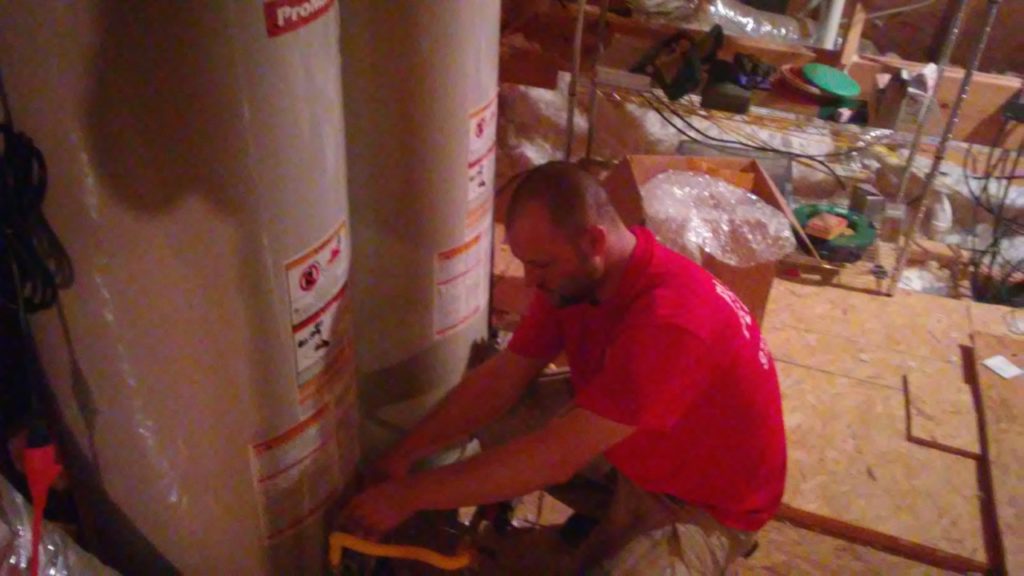
If the homeowner notices the floor around the water heater is wet, they should first check the pipes to make sure they are not leaking.
This includes the pressure overflow pipe, the fittings, and the connections. If they are all sound, it means they have a leak, and it needs to be replaced.
Rushing Water and Other Strange Noises
When a homeowner hears rushing water from beneath the house, it may indicate that the heater has ruptured. Again, if it is in a bare crawl space, this and next month’s bills may be the only sign that something is amiss.
Other sounds that can cause concerns are:
- Cracks
- Pops
- Bangs
- Rumbles
This means that sediment has accumulated on the bottom of the water tank and has begun to petrify. This not only causes the water heater to use more power but also causes the sediment itself to eat into the metal. This leads to leaks and the water heater failing.
Rusty Water
A water heater that hasn’t been serviced in a long time and is nearing its end will produce rust-colored water from the hot water line and only the hot water line.
This means that the water heater is rusting internally and a leak is in the offing. It’s time to call a water heater replacement company. One caveat is that if the heater is hooked up to galvanized pipes, the water heater plumbing itself may have rust.
This is another problem, but it may not be related to the water heater. One way to check is to drain about 15 gallons of water out of the heater. Water that is still rusty after that is probably caused by the water heater.
Muddy Water
If muddy water comes from the hot water line, it means sediment has built up in the heater.
Unlike rust-colored water, a heater spewing mud may only need the sediment removed to extend its life.
No Hot Water
If no hot water at all comes out when the hot water lever is turned, it may mean that the circuit breaker has tripped, or the heater’s pilot light is off for some reason.
Water that is cooler than the homeowner is used to is a sign that the heating element is failing. It could also mean that the thermostat needs to be reset. A water heater’s ideal temperature is between 120 and 140 degrees Fahrenheit.
Bad-Tasting or Smelling Water
If the water that comes out of the hot water faucet smells and tests like metal, it means that the metal is flaking off and entering the water in the tank.
In other words, the heater is deteriorating, and water heater replacement is needed.
Has Not Been Serviced In Years!
A homeowner who can’t remember when their water heater was last serviced by a water heater technician and has lived in their home for 20 years probably has a water heater on its last legs.
If the homeowner wants to know the age of their water heater, they should look at the serial number. The odd thing about this is that the date when the heater was manufactured is in some kind of code.
For example, if it was made in February of 2010, the serial number will read something like B10 followed by a slew of other numbers. The homeowner should check the manufacturer’s website or call them to find the code.
The Repairman Keeps Coming
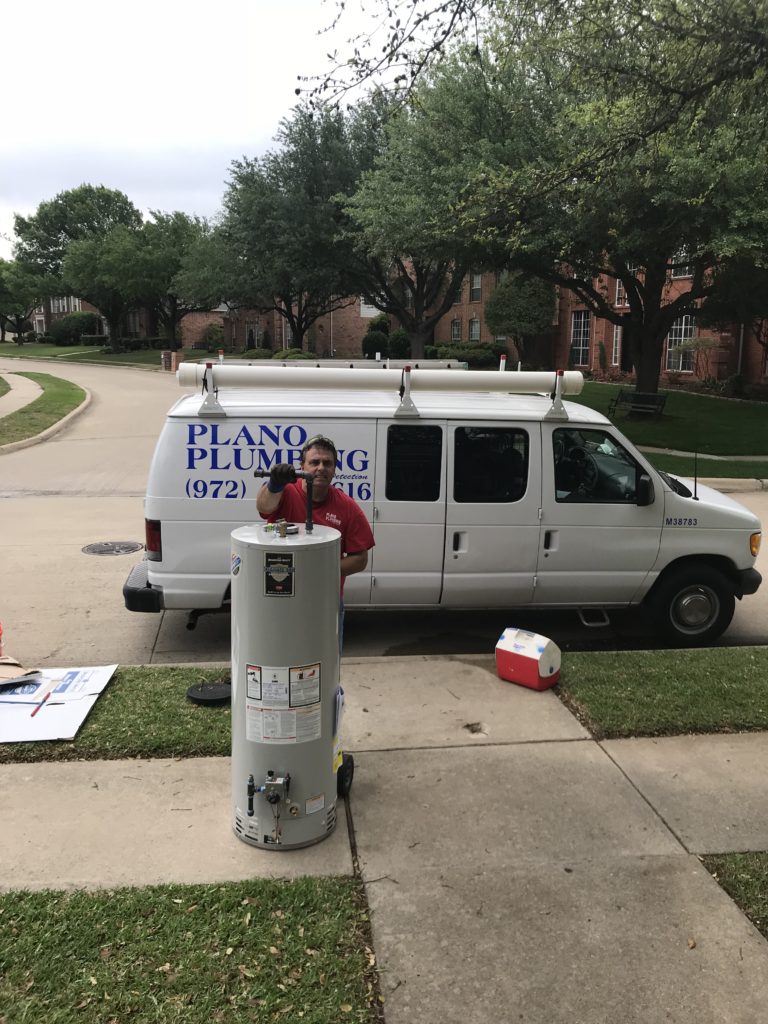
A homeowner who has to call the repairman again and again for water heater repair should seriously consider on replacing the water heater with a new one and not spend money on quick fixes.
Should I Repair or Replace My Water Heater?
Whether you should repair or replace your water heater depends on its age, condition, repair history, and the source of the problem. A relatively new water heater may only need a replaceable component, such as a thermostat, heating element, valve, igniter, or burner assembly.
Replacement may be the better option when a tank-style water heater is around 10 years old or older, the tank itself is leaking or corroded, the unit requires repeated repairs, or it can no longer provide enough hot water efficiently. Most traditional tank water heaters have an expected service life of approximately 8 to 12 years, although maintenance, installation quality, water quality, and usage can affect how long a particular unit lasts. A plumber can inspect the system and help determine whether repairing it is practical or whether replacement would provide better long-term value.